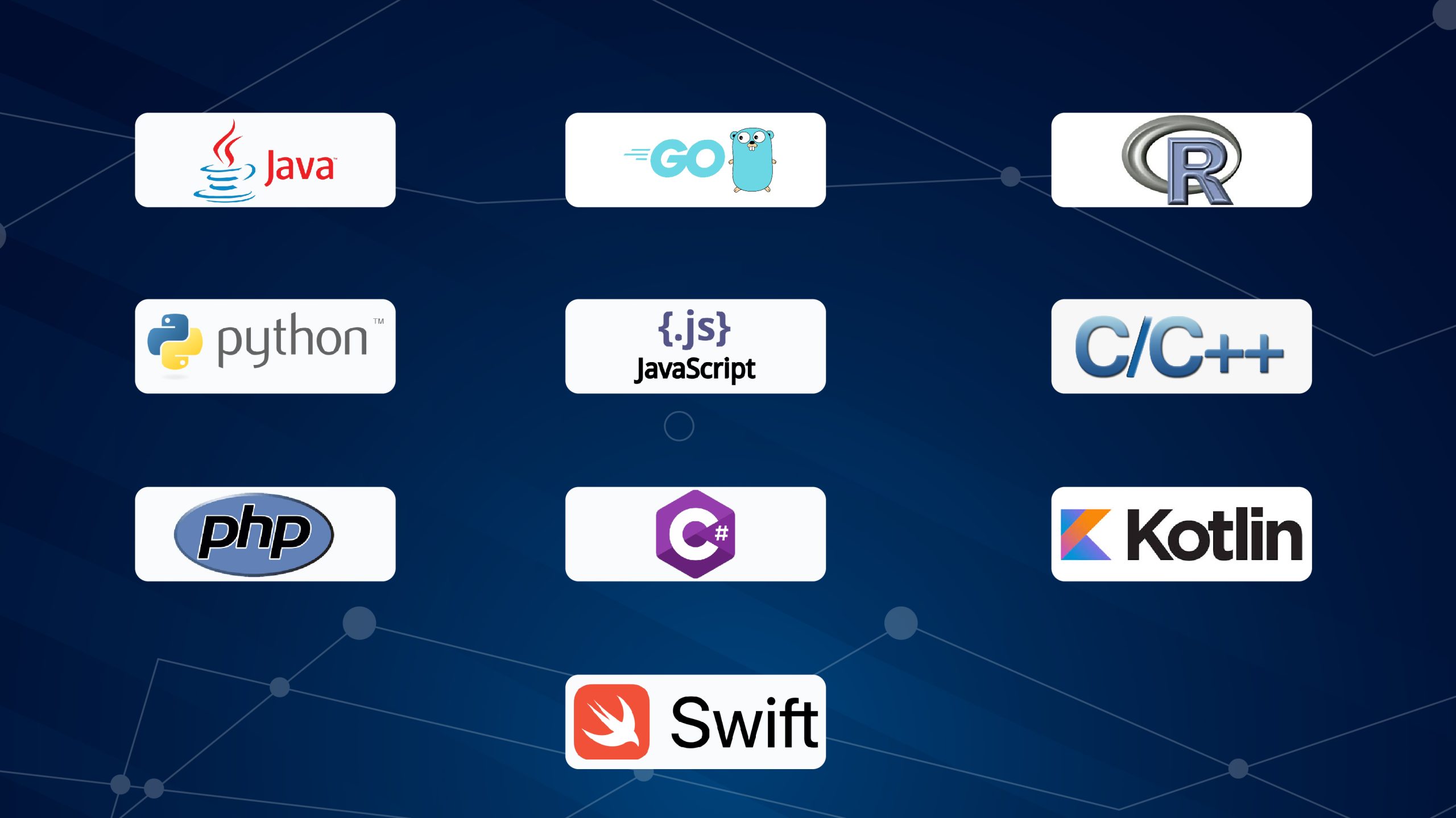
The tech industry continues to evolve rapidly, and staying ahead requires continuous learning. Whether you’re a student, a beginner programmer, or a professional looking to upskill, knowing which programming languages are in demand can significantly boost your career prospects. In this guide, we’ll explore the top 10 programming languages to learn in 2026, why they matter, and resources to get started.
Table of Contents
1. Python
Python remains a top choice for beginners and experts alike. Its simple syntax, versatility, and strong community make it ideal for web development, data science, AI, and automation. Companies like Google, Netflix, and NASA rely heavily on Python for various applications.
- Key Advantages: Easy to learn, extensive libraries, cross-platform
- Use Cases: Web apps (Django, Flask), AI/ML (TensorFlow, PyTorch), scripting
Learn More: Python Official Documentation
2. JavaScript
JavaScript powers the modern web. If you’re interested in frontend development, mastering JavaScript is essential. With frameworks like React, Vue, and Angular, JavaScript enables dynamic and interactive web experiences. Additionally, Node.js brings JavaScript to backend development.
- Key Advantages: High demand, flexible, full-stack development
- Use Cases: Websites, web apps, mobile apps (React Native), server-side apps
Learn More: JavaScript Info
3. Java
Despite being over two decades old, Java remains critical in enterprise applications. Its platform independence and robustness make it ideal for large-scale systems, Android app development, and cloud solutions.
- Key Advantages: Strong community support, stability, OOP-focused
- Use Cases: Android apps, backend systems, enterprise software
Learn More: Oracle Java Tutorials
4. C / C++
C and C++ continue to be foundational languages for computer science education, system programming, and performance-critical applications. Learning them builds a strong understanding of memory management, pointers, and algorithms.
- Key Advantages: High performance, widely used in system-level programming
- Use Cases: Operating systems, embedded systems, game engines
Learn More: C Programming Resources
5. Dart & Flutter
Dart, along with Flutter, is gaining popularity for cross-platform mobile app development. Flutter allows developers to write one codebase for Android and iOS, saving time and resources.
- Key Advantages: Fast development, expressive UI, growing community
- Use Cases: Mobile apps, web apps, desktop apps
6. TypeScript
TypeScript, a superset of JavaScript, brings static typing to JS development. It improves code quality and maintainability, making it a must-learn for professional web developers.
- Key Advantages: Error reduction, better scalability, modern JS features
- Use Cases: Large web apps, enterprise-level applications
Learn More: TypeScript Documentation
7. Go (Golang)
Developed by Google, Go is designed for speed and simplicity, making it ideal for cloud services, networking, and backend development. Its concurrency model is particularly suited for modern web servers and distributed systems.
- Key Advantages: Fast execution, simple syntax, great for server-side development
- Use Cases: Cloud services, microservices, APIs
Learn More: Go Official Website
8. Rust
Rust is gaining attention as a safe, fast, and memory-efficient language. It is increasingly used in systems programming, blockchain development, and performance-critical apps.
- Key Advantages: Memory safety, speed, modern language features
- Use Cases: Systems programming, WebAssembly, blockchain
Learn More: Rust Programming Language
9. Kotlin
Kotlin is now Google’s preferred language for Android development. It is concise, modern, and interoperable with Java, making it a great choice for mobile developers.
- Key Advantages: Modern syntax, full Java interoperability, Android-first
- Use Cases: Android apps, backend services
Learn More: Kotlin Documentation
10. SQL
While not a traditional programming language, SQL is critical for database management and data analysis. Every tech professional benefits from knowing how to interact with databases efficiently.
- Key Advantages: Data querying, database management, essential for data science
- Use Cases: Databases (MySQL, PostgreSQL), analytics, reporting
Learn More: SQL Tutorial
How to Choose the Right Language
Choosing a language depends on:
- Your goals: Web, mobile, AI, or systems
- Job market demand: Check platforms like LinkedIn & Glassdoor
- Community & learning resources: Strong community support helps beginners
Pro Tip: Start with one versatile language like Python or JavaScript, then expand to others as needed.
Conclusion
Programming in 2026 is more exciting than ever. Languages like Python, JavaScript, and Dart dominate emerging fields, while C++, Rust, and SQL remain indispensable. By learning the right languages, you can enhance your career, build powerful applications, and stay relevant in the ever-changing tech industry.
Invest time, practice consistently, and leverage free resources and official documentation. Your programming journey starts now!
Also Check About Us.
1 thought on “Top 10 Ultimate Programming Languages to Learn in 2026”