
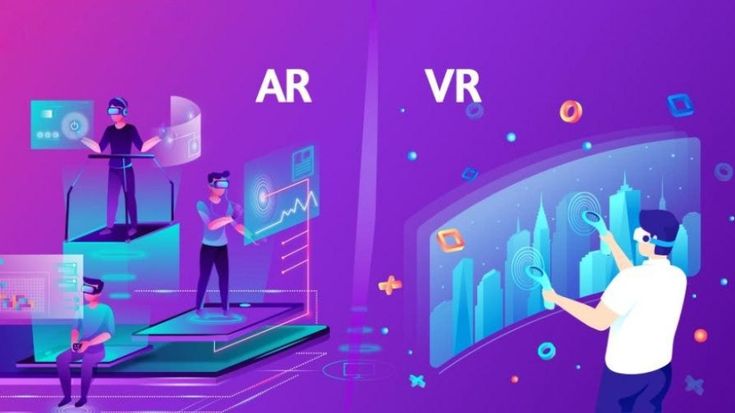
Augmented Reality (AR) and Virtual Reality (VR) are no longer experimental technologies. In 2026, these immersive technologies are reshaping how people work, learn, collaborate, and experience entertainment. Powered by advances in AI, 5G, and edge computing, AR and VR are creating digital experiences that feel more natural, interactive, and impactful than ever before.
This blog explores how AR and Virtual Reality innovations are transforming entertainment and the workplace, along with future trends businesses and professionals should watch.
Table of Contents
Understanding AR and VR Technologies
- Augmented Reality (AR): Enhances the real world by overlaying digital elements like text, images, or 3D objects.
- Virtual Reality (VR): Creates a fully immersive digital environment where users interact using headsets and controllers.
- Extended Reality (XR): An umbrella term that includes AR, Virtual Reality, and Mixed Reality (MR).
In 2026, these technologies are becoming lighter, more affordable, and AI-enhanced, making them accessible to a broader audience.
AR and VR in Entertainment
1. Gaming and Immersive Experiences
The gaming industry is one of the biggest beneficiaries of AR and Virtual Reality innovations.
- Hyper-realistic environments powered by AI
- Full-body motion tracking and haptic feedback
- Social Virtual Reality gaming with real-time interaction
Impact: Players don’t just play games, they experience them.
2. Movies, Concerts, and Virtual Events
Entertainment is moving beyond screens:
- Virtual Reality cinemas allow viewers to experience movies in 360-degree environments
- Virtual concerts enable fans to attend live shows from anywhere in the world
- Augmented Reality adds interactive layers to live sports broadcasts
Example: Fans can watch concerts as avatars, interact with artists, and socialize virtually.
3. AR in Social Media and Content Creation
AR filters and effects are redefining digital creativity:
- Interactive storytelling using AR overlays
- Branded AR experiences for marketing campaigns
- Virtual influencers and digital fashion
Trend 2026: AI-generated AR content personalized for each user.
AR and VR in the Workplace
4. Remote Work and Virtual Collaboration
Augmented Reality and Virtual Reality are transforming how teams collaborate remotely:
- Virtual offices and meeting rooms
- 3D whiteboards and real-time collaboration
- Reduced need for physical travel
Impact: Improves productivity, engagement, and team cohesion.
5. Training and Skill Development
AR and VR provide safe, realistic training environments:
- Virtual Reality simulations for healthcare, aviation, and engineering
- AR-guided instructions for technicians and field workers
- AI-powered adaptive learning paths
Example: Surgeons can practice complex procedures without risk to patients.
6. Design, Manufacturing, and Architecture
Professionals use Augmented Reality and VR to visualize and refine designs:
- Virtual prototyping and testing
- Real-time AR overlays during construction
- Reduced errors and development costs
Trend: Digital twins powered by Virtual Reality and IoT are becoming standard in smart factories.
Challenges and Limitations
Despite rapid growth, AR and VR face challenges:
- High hardware costs for advanced devices
- Motion sickness and user comfort issues
- Data privacy and security concerns
- Need for high-speed connectivity
However, advancements in 5G, cloud rendering, and AI optimization are addressing these limitations.
Future Outlook
By 2026 and beyond, AR and VR are expected to:
- Become mainstream tools for work and entertainment
- Integrate with AI, blockchain, and IoT ecosystems
- Enable fully immersive digital economies
- Redefine how humans interact with digital environments
Industries that adopt AR and VR early will gain competitive advantages in productivity, engagement, and innovation.
Conclusion
AR and VR innovations are reshaping entertainment and the future of work. From immersive gaming and virtual concerts to remote collaboration and professional training, these technologies are blurring the line between physical and digital worlds.
As AR and VR continue to mature, they will play a central role in how we experience, create, and collaborate in a technology-driven future.
1 thought on “AR and VR Innovations – Shaping the Powerful Future in 2026”