
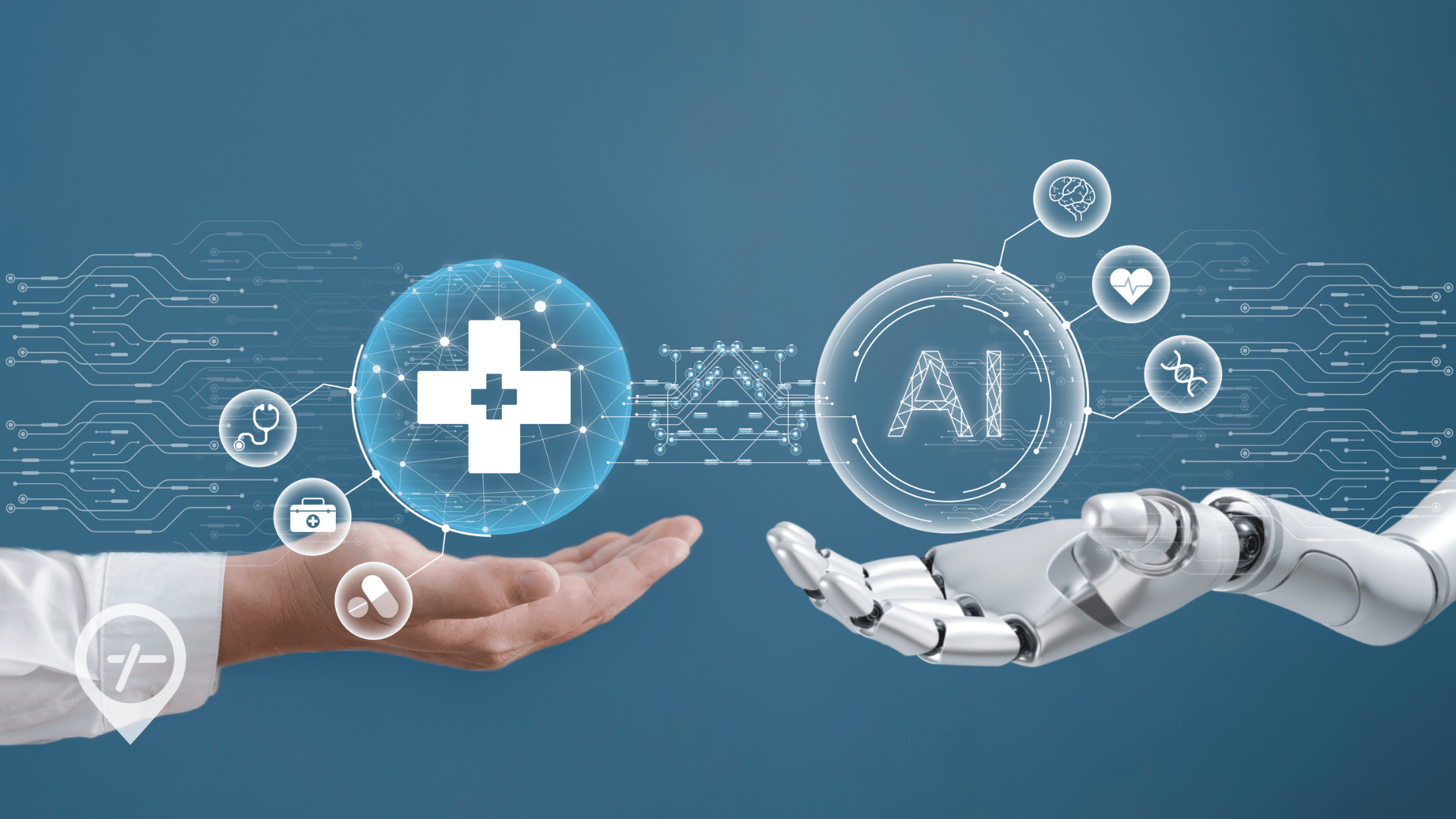
Artificial Intelligence (AI) is revolutionizing healthcare in 2026. From predictive diagnostics to personalized treatment plans, AI technologies are improving patient outcomes, reducing costs, and enhancing operational efficiency.
AI in healthcare utilizes machine learning, NLP, and data analytics to enhance diagnostic accuracy, personalize treatments, and optimize operational efficiency. Key applications include early disease detection via imaging, 24/7 patient support, and AI-driven drug discovery. While driving efficiency, it faces challenges regarding data privacy, algorithmic bias, and the need for regulatory oversight.
This blog explores how AI is applied in healthcare, its benefits, challenges, and future prospects, making it a critical tool for modern medicine.
Table of Contents
What is AI in Healthcare?
AI in healthcare refers to the use of algorithms and machine learning models to analyze medical data, assist in decision-making, and automate routine tasks. Key AI technologies in healthcare include:
- Machine Learning (ML): Predicting disease risks and patient outcomes
- Natural Language Processing (NLP): Extracting insights from medical records and literature
- Computer Vision: Analyzing medical imaging such as X-rays, MRIs, and CT scans
- Robotics: Assisting in surgeries and rehabilitation
AI Applications in Healthcare
1. Medical Diagnosis
- AI models analyze patient data to detect diseases early.
- Example: AI-assisted imaging tools identify tumors in radiology scans with high accuracy.
- Benefit: Reduces diagnostic errors and enables faster intervention.
2. Personalized Treatment
- AI evaluates patient history, genetics, and lifestyle to design tailored treatment plans.
- Example: Oncology patients receive AI-recommended drug combinations for chemotherapy.
- Benefit: Improves treatment effectiveness and reduces side effects.
3. Predictive Analytics
- Predicts disease progression, hospital readmissions, and outbreaks.
- Example: ML models forecast diabetes complications by analyzing glucose trends and patient activity.
- Benefit: Enables preventive care and better resource allocation.
4. Drug Discovery
- AI accelerates drug development by simulating molecular interactions and predicting drug efficacy.
- Example: Pharmaceutical companies use AI to identify potential COVID-19 treatments faster than traditional methods.
- Benefit: Reduces research time and cost significantly.
5. Administrative Tasks Automation
- NLP and AI automate documentation, appointment scheduling, and billing.
- Example: AI extracts relevant information from EHRs, freeing up doctors’ time for patient care.
- Benefit: Enhances operational efficiency and reduces administrative burden.\
AI in Remote Patient Monitoring
Remote Patient Monitoring (RPM) is becoming a game-changer in healthcare, especially for chronic conditions like diabetes, heart disease, and hypertension. AI-powered devices can collect real-time patient data such as blood pressure, glucose levels, heart rate, and oxygen saturation.
- Example: Smart wearables like AI-integrated fitness trackers alert physicians if a patient’s readings cross a critical threshold.
- Benefit: Doctors can intervene early, preventing hospitalizations and reducing medical costs.
- 2026 Trend: Integration with cloud AI platforms allows seamless data analysis, predictive alerts, and personalized health recommendations for remote patients.
AI-Assisted Robotic Surgery
AI-assisted robotics is revolutionizing surgical precision and patient safety. By combining AI with robotic systems, surgeons can perform complex procedures with minimal invasiveness.
- Example: Robotic systems like da Vinci Surgical System use AI for motion scaling, tremor reduction, and real-time imaging guidance.
- Benefit: Reduced risk of complications, shorter recovery time, and enhanced surgical outcomes.
- 2026 Trend: AI now integrates real-time predictive analytics to suggest optimal surgical strategies based on patient-specific data, making surgeries safer and more efficient.
Challenges of AI in Healthcare
Despite its potential, AI in healthcare faces several challenges:
- Data Privacy: Protecting sensitive patient data is critical.
- Bias in AI Models: Poor-quality or non-representative data may lead to biased predictions.
- Regulatory Approval: AI tools must meet stringent FDA or local regulatory standards.
- Integration: Incorporating AI into existing healthcare systems can be complex and costly.
The Future of AI in Healthcare
In 2026 and beyond, AI is expected to:
- Enhance Telemedicine: AI-driven virtual consultations will provide real-time diagnostic support.
- Improve Chronic Disease Management: Continuous monitoring devices combined with AI predictions will prevent complications.
- Enable Genomic Medicine: AI analyzes genomic data to offer precision treatments.
- Support Mental Health: AI-powered chatbots detect stress, anxiety, and depression patterns, providing early interventions.
Conclusion
AI is reshaping the healthcare landscape by improving diagnostics, personalizing treatment, optimizing operations, and accelerating drug discovery.
While challenges like data privacy and bias exist, the integration of AI into healthcare in 2026 is creating smarter, faster, and more effective medical solutions.
By embracing AI, healthcare providers can deliver better patient outcomes, reduce costs, and prepare for a future where technology and medicine work hand-in-hand.
Also Check Natural Language Processing – Machine Understand Human 2026
1 thought on “AI in Healthcare – Powerful Diagnosis and Treatment – 2026”