
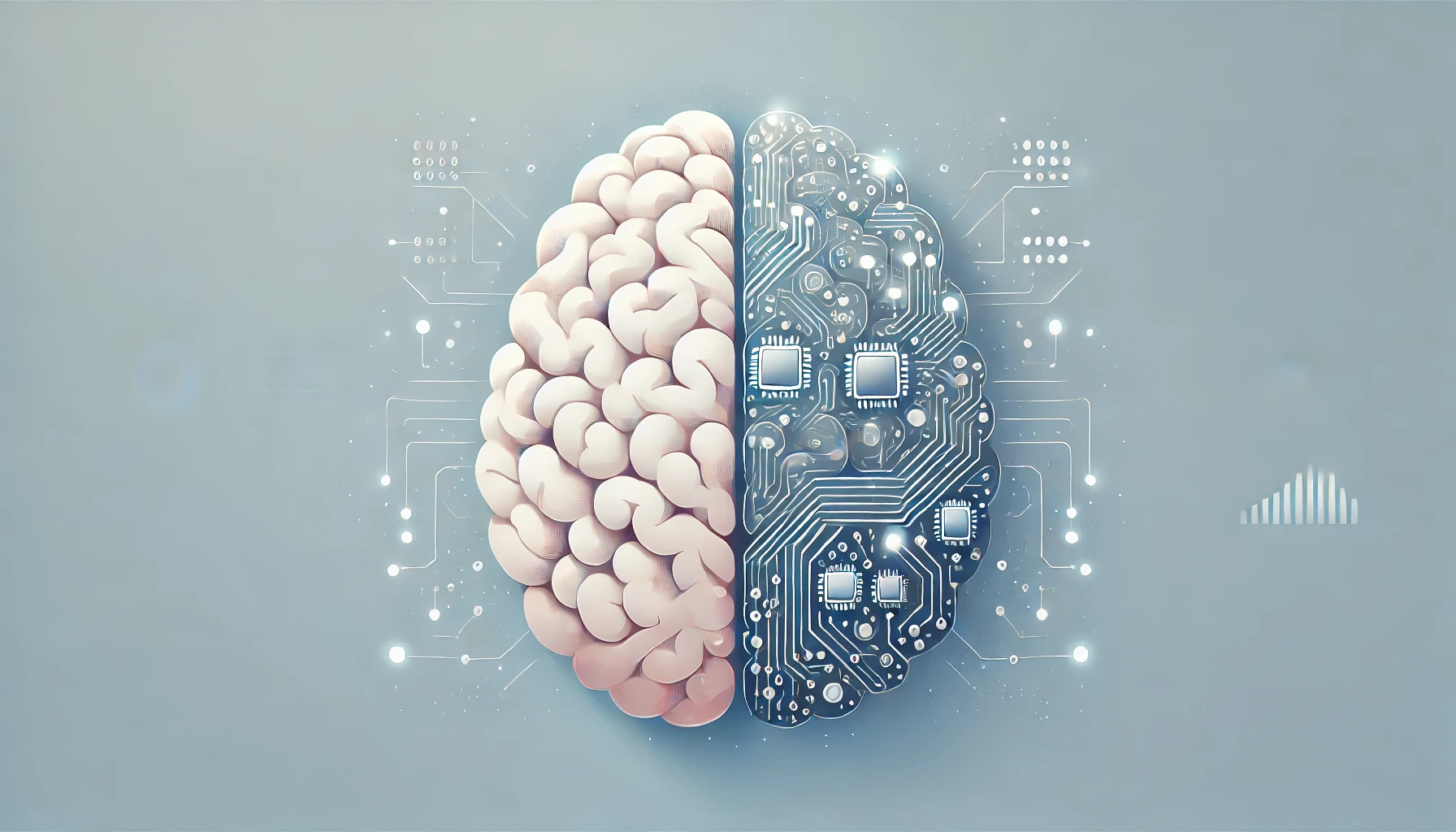
Artificial Intelligence (AI) has rapidly evolved into a core technology that powers modern applications across industries. From smart assistants like ChatGPT to autonomous vehicles, AI is no longer a futuristic concept, it’s part of our everyday lives.
It enables computers to process large datasets, recognize patterns, and improve performance over time without explicit programming for every task. Key applications include generative AI, virtual assistants, self-driving cars, and healthcare diagnostics.
This guide provides a comprehensive introduction to AI in 2026, covering its fundamentals, types, applications, and future prospects.
Table of Contents
What is Artificial Intelligence?
Artificial Intelligence refers to the simulation of human intelligence by machines. AI systems can perceive, reason, learn, and make decisions similar to humans. Core abilities of AI include:
- Machine Learning (ML): Systems learn from data to make predictions
- Natural Language Processing (NLP): Understanding and generating human language
- Computer Vision: Analyzing and interpreting images or videos
- Reasoning & Decision Making: Solving problems and optimizing processes
A Brief History of AI
AI has evolved through several waves:
- 1950s – The Early Days:
- Alan Turing introduced the concept of machines simulating human intelligence.
- Early AI focused on rule-based systems and problem-solving.
- 1980s – Expert Systems:
- AI systems could mimic human decision-making using predefined rules.
- 2000s – Machine Learning Era:
- The rise of big data and computing power enabled ML models to improve accuracy.
- 2010s to 2020s – Deep Learning Revolution:
- Neural networks allowed AI to perform complex tasks like speech recognition, image classification, and autonomous driving.
- 2026 – AI Today:
- AI is integrated into smart devices, cloud computing, healthcare, finance, education, and more.
Types of Artificial Intelligence
AI can be broadly categorized into three types:
- Narrow AI (Weak AI):
- Designed for specific tasks
- Examples: Chatbots, recommendation systems, voice assistants
- General AI (Strong AI):
- Capable of human-level intelligence across multiple domains
- Still largely theoretical in 2026
- Superintelligent AI:
- Hypothetical AI that surpasses human intelligence
- Raises ethical and societal concerns
Key Applications of AI in 2026
AI has transformed multiple industries:
1. Healthcare
- Predictive analytics for disease detection
- AI-assisted medical imaging and diagnostics
- Personalized treatment plans
Example: IBM Watson assists doctors in analyzing patient data efficiently.
2. Finance
- Fraud detection using machine learning algorithms
- Automated trading and portfolio management
- Customer service chatbots for banking
3. Education
- Adaptive learning platforms tailored to student performance
- AI-powered grading and content recommendation
- Virtual tutors and assistants
4. Transportation
- Autonomous vehicles leveraging computer vision and sensor data
- Traffic optimization using AI algorithms
5. Retail & E-commerce
- Product recommendations using behavioral analytics
- Inventory management with predictive AI models
Challenges in AI Implementation
Despite its potential, AI faces several challenges:
- Data Privacy & Security: Protecting sensitive information
- Bias & Fairness: Preventing AI from replicating societal biases
- Regulatory Compliance: Meeting international AI regulations
- High Costs: Infrastructure, computing power, and talent
The Future of AI
Looking ahead, AI in 2026 and beyond focuses on:
- Explainable AI (XAI): Making AI decisions transparent
- AI Ethics: Ensuring responsible and unbiased AI use
- Human-AI Collaboration: Enhancing productivity while retaining human creativity
- AI in Climate Solutions: Predicting climate trends and optimizing renewable energy
AI will continue to reshape industries, enhance efficiency, and unlock new opportunities while raising important ethical questions.
Conclusion
Artificial Intelligence is no longer just a buzzword, it is a practical technology shaping the world in 2026. By understanding AI fundamentals, applications, and challenges, both beginners and professionals can leverage AI responsibly to innovate in their respective fields.
Learning AI today not only enhances career opportunities but also equips individuals to participate in shaping a smarter, more automated future.
Also Check Top 10 Powerful Frontend Frameworks to Learn in 2026
1 thought on “Artificial Intelligence – Intro, Basics & Applications 2026”