
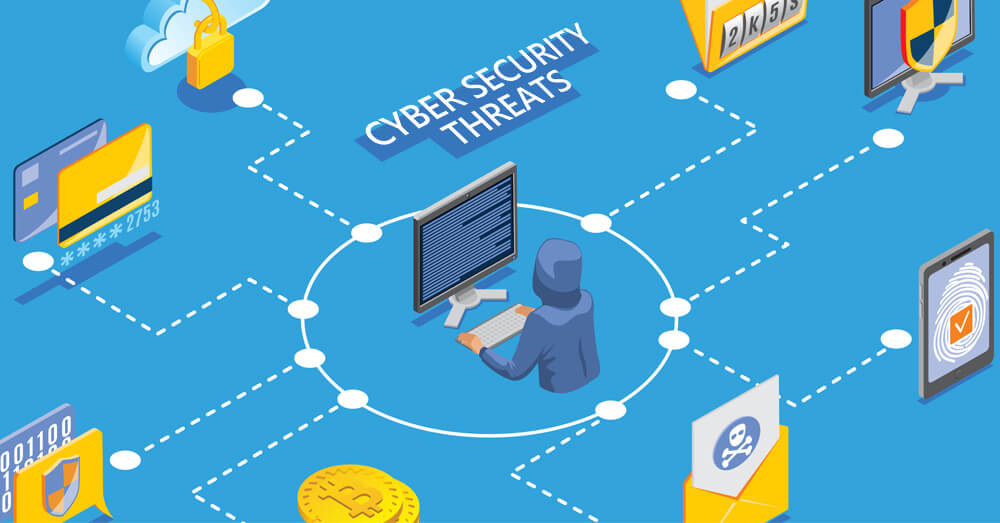
In today’s digital world, cybersecurity has become a top priority for individuals, businesses, and governments. With rapid technological advancements in 2026, cybersecurity threats are more sophisticated than ever. From ransomware attacks to IoT vulnerabilities, understanding the latest cybersecurity threats and implementing preventive measures is essential to protect sensitive data and digital assets.
This guide explores the top cybersecurity threats in 2026 and provides actionable strategies to mitigate them.
Table of Contents
1. Ransomware Attacks
Ransomware remains one of the most dangerous cybersecurity threats in 2026. Attackers encrypt critical data and demand payment for its release.
- Example: Hospitals and large enterprises have been targeted, causing operational disruptions and financial losses.
- Prevention Tips:
- Regularly backup data offline
- Keep software and security patches up-to-date
- Use anti-ransomware tools and endpoint protection
2. Phishing and Social Engineering
Phishing attacks trick users into revealing sensitive information such as passwords or banking details. Social engineering exploits human psychology to bypass security systems.
- Example: Email or SMS scams impersonating trusted institutions.
- Prevention Tips:
- Verify the sender before clicking on links or attachments
- Enable multi-factor authentication (MFA)
- Educate employees about recognizing phishing attempts
3. IoT and Smart Device Vulnerabilities
The rise of Internet of Things (IoT) devices like smart home gadgets, wearable tech, and connected vehicles introduces new attack surfaces.
- Example: Cybercriminals can exploit weak IoT device passwords to access home networks.
- Prevention Tips:
- Change default passwords and enable strong authentication
- Regularly update IoT firmware
- Segment IoT devices on a separate network
4. Cloud Security Threats
With businesses moving to cloud platforms, misconfigurations and weak security policies can lead to data breaches.
- Example: Public cloud storage leaks exposing sensitive customer data.
- Prevention Tips:
- Implement strong access controls and identity management
- Regularly audit cloud configurations
- Encrypt sensitive data both in transit and at rest
5. Advanced Persistent Threats (APTs)
APTs are long-term, targeted cyberattacks aiming to steal sensitive information or disrupt operations. These attacks often involve multiple stages and sophisticated techniques.
- Example: Nation-state actors targeting critical infrastructure or corporate networks.
- Prevention Tips:
- Monitor network activity continuously with AI-driven detection tools
- Employ threat intelligence services
- Train employees to identify suspicious activity
Mobile Security Threats in 2026
As mobile devices become central to work and daily life, they have become a prime target for cybercriminals in 2026.
- Example: Malware apps disguised as legitimate software can steal banking credentials or personal data.
- Common Cybersecurity Threats: Malicious apps, unsecured Wi-Fi networks, SMS phishing (smishing), and mobile ransomware.
- Prevention Tips:
- Only install apps from trusted app stores
- Keep the operating system updated
- Use mobile security software and VPNs on public networks
Insider Cybersecurity Threats and Human Error
Not all cybersecurity threats come from external attackers. Employees or insiders can inadvertently or maliciously compromise security.
- Example: An employee accidentally sending sensitive files to the wrong recipient or misconfiguring cloud access.
- Impact: Data leaks, reputational damage, and financial loss.
- Prevention Tips:
- Implement role-based access controls
- Conduct regular cybersecurity training
- Monitor for unusual activity with behavioral analytics
How to Strengthen Cybersecurity in 2026
- Use Multi-Factor Authentication (MFA): Adds an extra layer of security beyond passwords.
- Regular Software Updates: Patch vulnerabilities promptly to prevent exploits.
- Employee Training: Educate staff about phishing, malware, and social engineering.
- AI-Powered Security Tools: Detect anomalies and respond to threats in real time.
- Backups and Disaster Recovery: Maintain offline backups to recover from ransomware or accidental deletion.
Conclusion
Cybersecurity in 2026 is more critical than ever. With ransomware, phishing, IoT vulnerabilities, cloud threats, and APTs, organizations and individuals must stay vigilant. Implementing robust security practices, employee training, and AI-powered defenses ensures protection against evolving cyber threats.
By understanding the latest cybersecurity risks and applying preventive measures, you can safeguard your digital assets and maintain trust in the digital era.
Also Check AI Ethics and Challenges in 2026 – Powerful Guide
1 thought on “Top Powerful Cybersecurity Threats – Prevention Guide – 2026”